
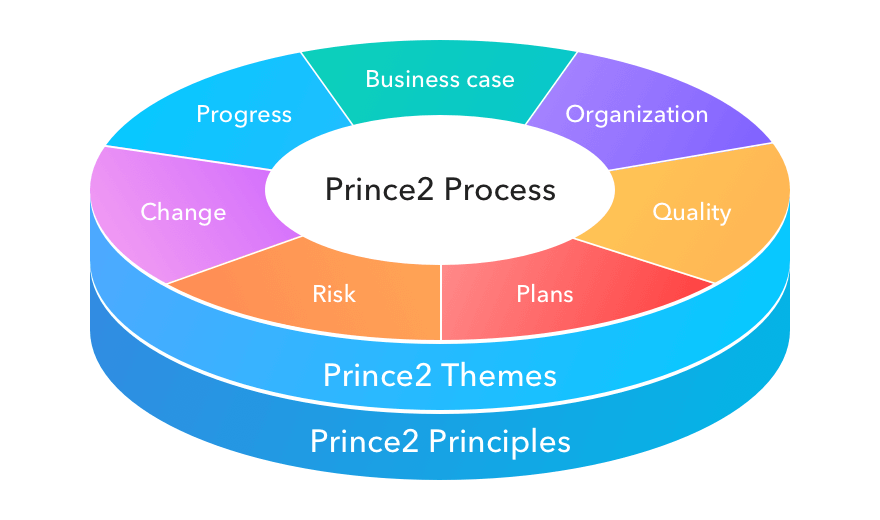
PRINCE2, which stands for PRojects IN Controlled Environments, is a structured project management framework widely used in the UK and around the world. It provides a systematic approach to managing projects, emphasizing control, organization, and flexibility. Here is a summary of key aspects of PRINCE2 project management:
- Principles:
- PRINCE2 is based on seven principles that guide project management:
- Continued Business Justification
- Learn from Experience
- Defined Roles and Responsibilities
- Manage by Stages
- Manage by Exception
- Focus on Products
- Tailor to Suit the Project Environment
- PRINCE2 is based on seven principles that guide project management:
- Themes:
- PRINCE2 includes seven themes that must be addressed throughout the project lifecycle:
- Business Case
- Organization
- Quality
- Plans
- Risk
- Change
- Progress
- PRINCE2 includes seven themes that must be addressed throughout the project lifecycle:
- Processes:
- PRINCE2 defines seven processes that guide the project from initiation to closure:
- Starting Up a Project (SU)
- Initiating a Project (IP)
- Directing a Project (DP)
- Controlling a Stage (CS)
- Managing Product Delivery (MP)
- Managing a Stage Boundary (SB)
- Closing a Project (CP)
- PRINCE2 defines seven processes that guide the project from initiation to closure:
- Roles:
- PRINCE2 prescribes several key roles:
- Project Manager
- Team Manager
- Project Board
- Executive
- Senior User
- Senior Supplier
- Project Assurance
- Change Authority
- Project Support
- PRINCE2 prescribes several key roles:
- Tailoring:
- PRINCE2 is adaptable and can be tailored to suit the specific needs and size of a project. This flexibility is one of its strengths, allowing organizations to use it effectively across various project types and industries.
- Documentation:
- PRINCE2 emphasizes the creation and maintenance of various project documents, such as the Business Case, Project Initiation Document (PID), Stage Plans, Product Descriptions, and Issue Logs, to ensure transparency and control.
- Product Focus:
- PRINCE2 places a strong emphasis on defining and delivering project products (outputs) and ensuring they align with project objectives and quality standards.
- Management by Stages:
- Projects are broken down into manageable stages, each with its own objectives and deliverables. This approach allows for regular reviews and adjustments.
- Risk Management:
- PRINCE2 encourages proactive risk management through the identification, assessment, and mitigation of risks throughout the project lifecycle.
- Change Control:
- PRINCE2 provides a structured approach to managing changes in the project, ensuring that any alterations to the project’s scope are carefully assessed and controlled.
- Monitoring and Control:
- PRINCE2 includes processes and techniques for monitoring progress, ensuring that the project remains on track, and taking corrective actions when necessary.
- Benefits:
- PRINCE2 is known for its focus on delivering projects that are aligned with business objectives, leading to improved project success rates and better control over resources.
Overall, PRINCE2 is a comprehensive project management framework that promotes best practices, adaptability, and effective governance throughout the project’s lifecycle. It provides a structured approach for managing projects of various sizes and complexities, making it a valuable tool for organizations seeking to improve their project management practices.