
A day in life of a scrum master
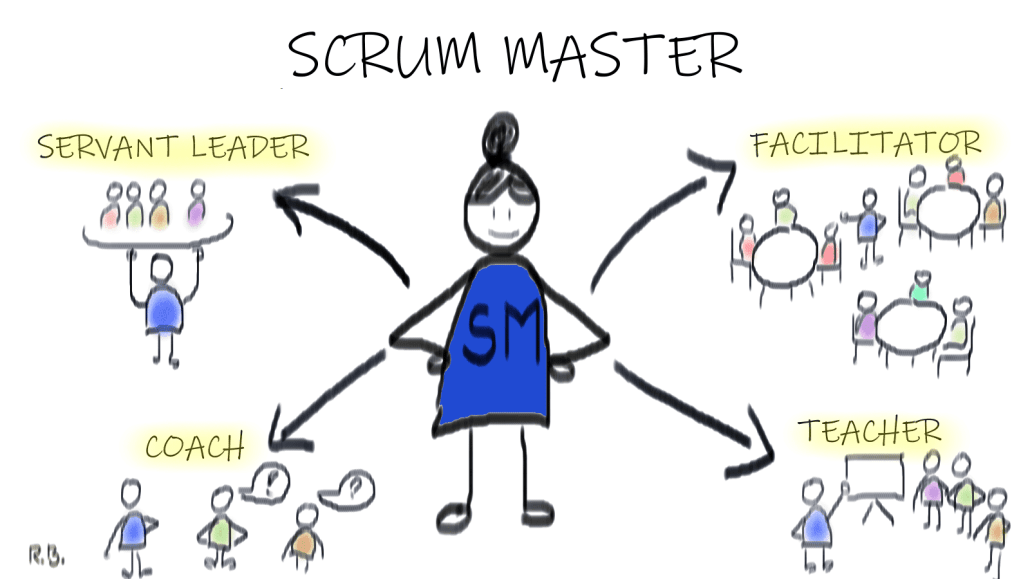
A Scrum Master plays a critical role in the Agile development process, facilitating the Scrum framework and helping the Scrum team (usually a group of software developers) work effectively. While the specific daily tasks of a Scrum Master can vary depending on the team’s needs and the organization’s practices, here are some common activities they typically engage in on a daily basis:
- Team Facilitation: The Scrum Master helps the Scrum team stay focused on its goals and facilitates daily stand-up meetings (daily scrum) where team members discuss their progress, plans, and any obstacles.
- Removing Obstacles: They work to remove impediments or obstacles that hinder the team’s progress. This might involve liaising with other teams or departments to address issues or finding solutions to technical challenges.
- Maintaining the Scrum Process: The Scrum Master ensures that the team follows the Scrum framework’s practices, including sprint planning, sprint review, and sprint retrospective meetings. They help the team stay on track and adhere to timeboxing.
- Protecting the Team: Scrum Masters shield the team from external distractions and interruptions, allowing them to focus on the work they’ve committed to during the sprint.
- Coaching and Mentoring: Scrum Masters coach team members and the Product Owner on Agile principles and practices, helping them continuously improve their skills and understanding of the process.
- Continuous Improvement: They promote a culture of continuous improvement within the team. This includes conducting retrospectives to identify areas for improvement and implementing changes to enhance the team’s performance.
- Communication: Scrum Masters facilitate communication within the team and between the team and stakeholders. They ensure that everyone has the information they need to make informed decisions.
- Monitoring Progress: Scrum Masters track the team’s progress toward its sprint goals and ensure that work is being completed according to the Definition of Done.
- Servant Leadership: They embody the concept of servant leadership by supporting the team’s self-organization, fostering a collaborative environment, and being responsive to the team’s needs.
- Documentation: Scrum Masters may also be responsible for maintaining relevant documentation, such as burndown charts, velocity reports, and other metrics that help the team and stakeholders understand the project’s status.
- Conflict Resolution: They help resolve conflicts within the team, promoting a positive and collaborative working atmosphere.
- Training and Education: Scrum Masters may organize training sessions or workshops to improve team members’ knowledge of Agile and Scrum practices.
It’s important to note that the specific daily activities of a Scrum Master can vary based on the team’s maturity, the organization’s culture, and the unique challenges of a given project. The Scrum Master’s primary goal is to support the team in delivering high-quality products and continuously improving their processes.

Leave a Reply
Want to join the discussion?Feel free to contribute!